Why does my cat bite me then lick me?
A bite followed by a lick is usually play, overstimulation or a mixed signal, not spite. Learn how to read the difference and what to do next.
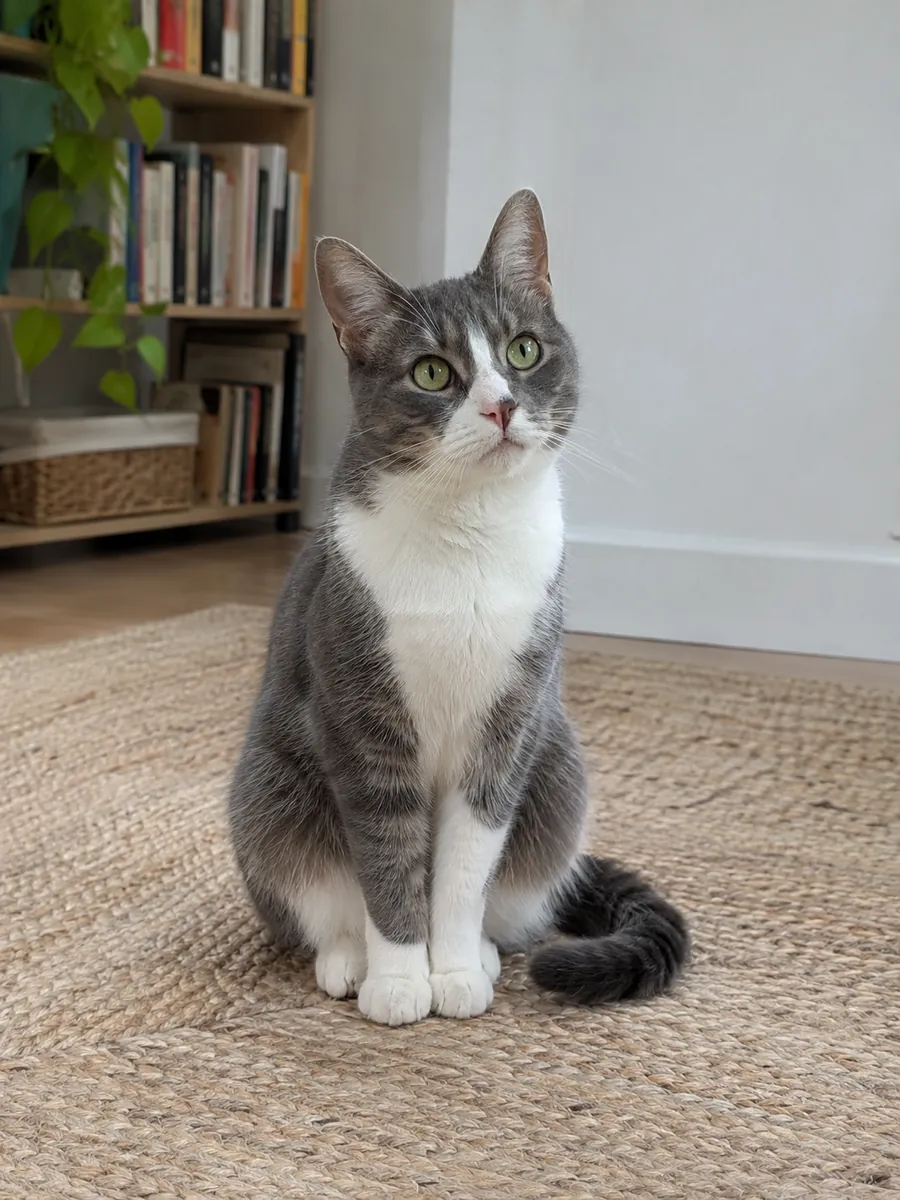
A cat that bites and then licks is usually mixing signals, not being cruel. The most common explanations are play, a sign that petting has gone on too long, and a gentle nibble during grooming. The lick that follows often means the moment is over and the cat is settling, not that it is sorry.
Below you will find six reasons this happens, how to read the clues in your cat’s body, and what to do so both of you stay comfortable.
Six reasons for the bite and the lick
1. It is play
Cats play by stalking, pouncing, grabbing and biting. If your hands and feet have been part of the game, a bite is simply the end of a pounce. The AAFP notes that caregivers often think it is cute to move their hands and feet for kittens to nip at, which teaches kittens that play biting is acceptable, and the habit can continue into adulthood.
A playful bite comes with forward ears, wide eyes, a wiggling bottom or a sudden burst of running. The lick afterward can be a pause, or the cat tidying up.
2. Petting got to be too much
Some cats enjoy a few strokes and then reach a limit. VCA Animal Hospitals explains that for these cats the physical sensation of being stroked and scratched is no longer pleasant. The ASPCA says it is thought that contact can quickly become unpleasant if it is repeated, and that petting-induced aggression is not well understood.
This is often the answer when a cat bites during a lap session and then licks the spot or walks off. Read more in why your cat bites you when you pet her.
3. It is a grooming nibble
Cats groom each other with licks and sometimes with gentle nibbles. When your cat does this to you, you may get a nibble in the middle of grooming that feels like a bite. These are usually light, the skin is not broken, and your cat looks relaxed. If licking is the part you want to understand better, see why cats lick you.
4. Your cat is excited or asking for something
Some cats nip at your hand to say “feed me,” “play with me” or “look at me.” Because it works, they do it again. The lick can come in the middle, as a cat that is trying to groom and demand at once.
5. They are a little overstimulated
Overstimulation is not limited to petting. Loud play, a visitor, or a long game can leave a cat wound up, and the bite is a release. Look for dilated pupils, flicking tail and skin rippling along the back.
6. They are saying no, politely
A bite can be a boundary. Cats usually warn first. The ASPCA lists quickly turning the head toward a person’s hand, body tension, ears flattened or rotating, a twitching tail or restlessness, and dilated pupils. If the warnings are missed, the bite is the next step, and a lick can be the cat re-establishing calm afterward.
Why the lick comes after the bite
The lick is the part that confuses people, because it looks like an apology. Cats do not apologize, but they do use grooming to settle and to keep bonds friendly. After a burst of play or a moment of tension, licking can be a way of calming down, or simply a return to a relaxed routine. In a cat’s own social world, grooming is a friendly behavior. Researchers who studied a free-ranging colony noted that licking was the most frequently recorded interactive behavior there.
So the order of events can be read like this: something got intense, the cat ended or finished it, and then the cat went back to a calm, social behavior. That does not mean the bite was a mistake, and it does not mean your cat is angry at you.
Gentle nibble or real bite?
Not all bites are equal, and learning the difference helps you respond well.
- Inhibited nibble. Teeth touch but do not press, the skin is not broken, and your cat’s body is loose. This is often play or grooming.
- Warning nip. A quick, firm bite after tension, with the tail flicking and ears turned. This is a boundary.
- Real bite. Teeth go in, often with a growl, a hiss or a hard stare. This is fear, pain or strong overstimulation, and it needs space and a calm exit rather than a reaction.
Kittens and young cats are still learning how hard is too hard, which is why consistent redirection to toys matters so much when they are small.
How to read the signs
| What you see | Likely meaning |
|---|---|
| Forward ears, bright eyes, pouncing | Play |
| Loose body, slow blinks, light nibble | Relaxed grooming |
| Twitching tail, ears turning back, skin rippling | Overstimulated, stop now |
| Head turning toward your hand, stiff body | A warning before a bite |
What to do
- Stop early. The ASPCA says that when a cat shows warning signs, the best response is simply to stop. If you continue, the cat will likely escalate to hissing, growling, scratching or biting.
- Say “all done.” VCA suggests stopping while your cat is calm, saying “All done,” then offering a small treat.
- Put a toy between you and the teeth. Replace hand play with a wand toy, as the AAFP recommends, and keep sessions short. A free cat game in your browser can help burn energy on slow days.
- Never punish. Cornell’s Feline Health Center says that physical punishment can increase fear or anxiety and worsen aggression.
- Let the cat set the pace. International Cat Care advises letting cats choose if, how much, where and for how long they are touched.
Keeping both of you comfortable
Over time, the aim is to make the early signals work so the bite is not needed. Pay attention to what comes before the bite on each occasion, and note which activity, time of day or part of the body was involved. When the pattern is clear, you can plan around it: shorter petting sessions, more wand play before the evening wind-down, and a toy kept close to hand for the moment your cat starts to get wound up. Keep your own reactions steady, because a loud yelp or a sudden pull of the hand can turn a nip into a game.
When to call your vet
A new pattern of biting is worth a call. Contact your vet if:
- The biting started suddenly or has become more frequent
- Your cat reacts when you touch a particular spot
- You see limping, flinching, hiding or changes in appetite or litter box use
- Bites are breaking skin
Pain can make touch uncomfortable. VCA notes that even a slight shift in position during petting can cause pain and trigger a bite. And if a bite does break your skin, wash it well and speak with a doctor, because cat bites can become infected.
Sources
- ASPCA — Overstimulation and Petting-Induced Aggression
- VCA Animal Hospitals — Cat Behavior Problems: Petting Aggression
- AAFP — Training Techniques for Addressing Undesirable Behaviors
- Cornell Feline Health Center — Feline Behavior Problems: Aggression
- International Cat Care — Cat Friendly Interaction
- Vitale (2022) — The Social Lives of Free-Ranging Cats, PubMed Central
Cat Translator is an entertainment app. This article is general information, not veterinary advice. If your cat's behavior changes suddenly, talk to your vet.