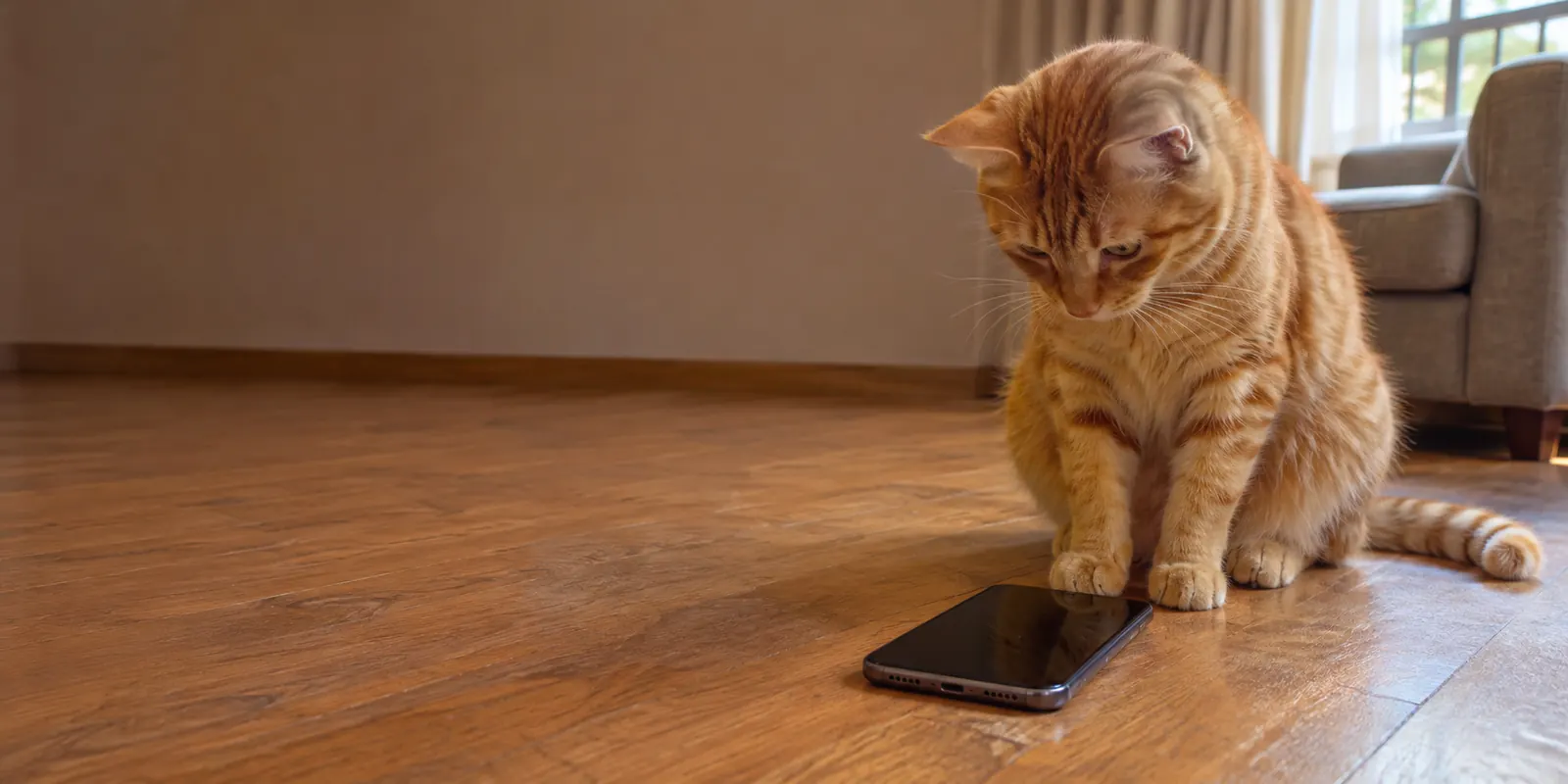
Mouse games for cats: why they work and how to play safely
Mouse games tap a cat's strongest hunting instinct. See why scurrying prey is so gripping, how to set up screen play safely and how to end with a real catch.
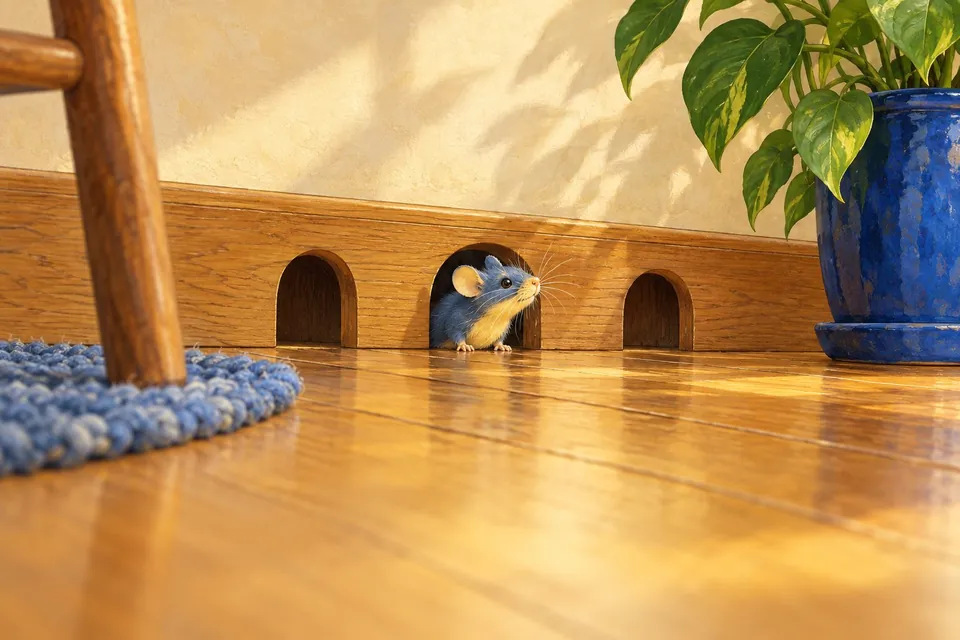
Mouse games work because small, scurrying prey is what a cat’s hunting instincts are built around. Quick bursts of movement, sudden stops and a dash for cover all tell a cat’s brain that something catchable is nearby. A mouse game on a tablet or phone can be great exercise for the eyes and paws, as long as you keep rounds short and finish with a real toy your cat can actually catch.
Below you will find why mice are so gripping, how to set up screen play safely and what to do when your cat ignores the whole thing.
Why does a mouse trigger a cat’s hunting instinct?
International Cat Care says cats’ natural prey is small, most commonly small mammals and birds. Mice fit that description exactly, which is why a mouse-shaped toy feels so “right” to so many cats. In the same article they note that cats hunt whether or not they are hungry, because the motivation to hunt is only partly related to hunger.
The AAFP/ISFM environmental needs guidelines describe how ground prey behaves: it moves in straight lines swiftly away from the cat. That is why a mouse game that dashes, pauses and bolts again feels so lifelike. The pause is as important as the dash. Cats are ambush hunters, and a mouse that never stops looks less like prey.
International Cat Care adds that cats love toys that look and feel like the real thing, and recommends a small furry mouse-sized toy. VCA lists mouse toys among good choices for hunting-style play. A mouse on a screen borrows the movement while skipping the fur and the catch, which is where a real toy comes in.
What your cat is doing when she plays
If you watch closely, you can spot the hunting sequence. International Cat Care lists it as search, stalk, chase, pounce, catch and manipulate. In a mouse game you will probably see:
- Search. Head up, eyes tracking the screen, ears pointed forward.
- Stalk. Low body, slow steps, tail tip twitching.
- Chase and pounce. A burst of speed and a swat at the glass.
The last two steps, catching and manipulating, are where a screen fails. International Cat Care warns that games can frustrate a cat when the pounce and catch steps are missing. A screen cannot be caught, so you supply the finish yourself.
How to set up mouse games safely
- Use a screen protector. Pouncing cats leave claw marks and nose prints.
- Place the device flat on a steady surface away from edges, such as the floor or a low table, so a big pounce cannot send it flying.
- Clear the area of cords and breakables.
- Start with the volume low. Some cats bolt at sudden noises.
- Stay close. If your cat starts biting the device or gets visibly tense, stop.
- Put the device away afterward so it does not become a scratch target.
If you have more than one cat, give each a turn. The AAFP/ISFM guidelines advise playing with individual cats at separate times and locations in multi-cat homes to prevent competition and tension.
Keep it short and finish with a catch
International Cat Care describes cats as sprinters rather than marathon runners and calls one minute of frenzied activity a good result. VCA says most cats benefit from several 10-minute play sessions every day. A good pattern is a short screen round or two, then a real toy.
For the finish:
- Bring out a small stuffed mouse or a wand toy while your cat is still excited.
- Move it away from her in straight lines and along the floor, like a mouse running for cover.
- Let her catch it. The AAFP/ISFM guidelines recommend letting the cat catch the toy to simulate a capture.
- Slow down gradually, then offer a small treat or meal. International Cat Care advises ending games gradually and redirecting attention to food.
Never use your hands or feet as the “mouse”. The AAFP/ISFM guidelines advise avoiding hands and feet in any type of play to prevent injury, and International Cat Care says never to use them with a kitten. If bites are already a problem, see why your cat bites you when you pet her.
Make the mouse feel real
A few tweaks make screen and toy play more convincing. Play in a quiet room so your cat can focus on small movements. Dim the lights a little if glare hides the picture. Let the game rest for a few seconds so the mouse seems to hide, because a pause invites a stalk. With a toy mouse, drag it along the floor, tuck it under a blanket edge, and let it peek out again.
Vary the routine too. If your cat always gets the same game in the same place, it stops being exciting. Move the device to a different room, or swap the toy, and the old trick feels new again.
Where the Cat Translator app fits
The Cat Translator app has a Mouse Hunt game for exactly this kind of play. Rounds last 1 or 2 minutes, with Calm, Normal or Wild speed, and there is no account and no ads. It is one of 6 games, so you can switch to fish, feather or bird play if your cat gets bored. For a no-install option, try the free browser laser game at games for cats, then finish with a real toy as above.
If your cat ignores the mouse
Some cats just do not care about screens. That is normal. Try a calmer room, a different speed or another prey type before giving up. Prefer physical toys? Rotate them. VCA recommends offering only a few toys at a time and rotating them weekly to hold a cat’s interest.
If your cat suddenly stops playing, seems stiff, or plays much less than she used to, mention it to your vet, because pain and illness can reduce play. If the problem is more general restlessness, what to do when your cat is bored has a fuller plan.
Mouse game checklist
- Screen protector on, device flat and steady.
- One or two rounds of about a minute.
- A real toy mouse or wand to finish.
- A treat or meal afterward.
- Hands and feet stay out of the game.
- Wand toys and strings go away when you are done.
Sources
- International Cat Care — Playing with your cat
- International Cat Care — Understanding the hunting behaviour of cats
- AAFP and ISFM Feline Environmental Needs Guidelines (JFMS, 2013)
- VCA Animal Hospitals — Cat behavior and training: play and play toys
Cat Translator is an entertainment app. This article is general information, not veterinary advice. If your cat's behavior changes suddenly, talk to your vet.