String games for cats: why feathers and strings work and how to play safely
Feather and string games copy flying and darting prey. Learn why cats love them, how to play with a wand safely, and how screen play can warm up the hunt.
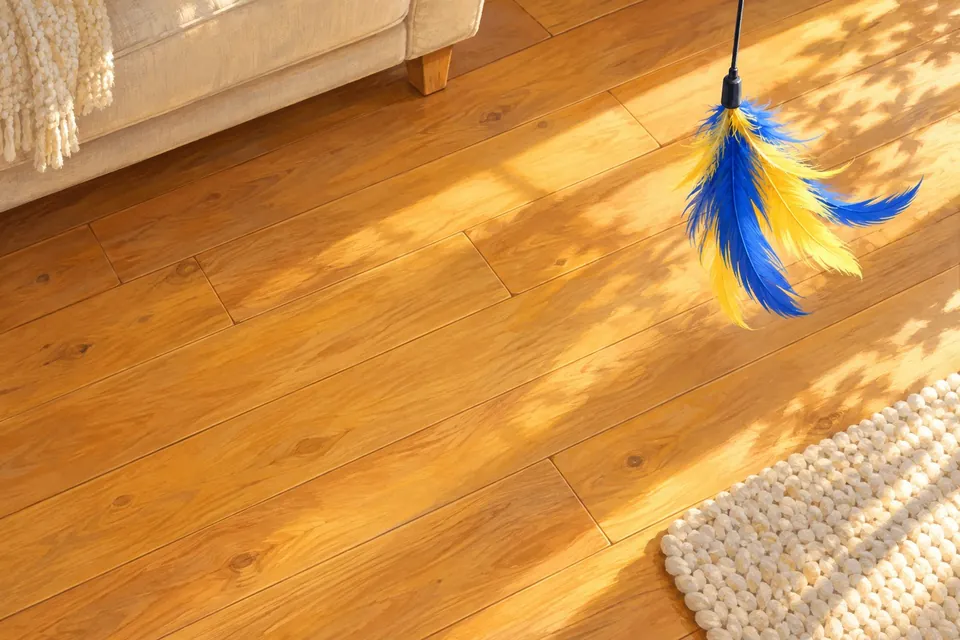
Cats love feathers and string because they move like small prey: they flutter, swoop, skitter and vanish. That movement triggers the stalk, chase and pounce instincts that indoor cats rarely get to use. Wand and string toys are some of the best play you can offer, but they come with one rule that matters most: you hold them, and you put them away afterward.
This guide covers why feather and string play works, how to do it safely and how a screen feather game can fit in as a warm-up.
Why do feathers and string grab a cat’s attention?
Cats are built to react to small things that move unpredictably. International Cat Care says cats prefer toys that look and feel like the real thing, and the AAFP/ISFM environmental needs guidelines spell out how to copy prey: move a rod or wand with a fur or feather toy in a way that mimics flying prey, swooping through the air, or ground prey, moving in straight lines swiftly away from the cat.
Feathers add a second trigger. They are light, so they twitch and drift with the smallest movement, much like a bird or an insect. String gives you control: you can drag it across the floor or flick it just out of reach.
The AAFP/ISFM guidelines also note that predatory behavior occurs even in well-fed cats, and that failing to provide outlets can lead to obesity, boredom and frustration. Interactive play is one of the simplest ways to supply an outlet.
How to play with a wand toy well
How you move the toy matters more than which toy you buy.
- Think like prey. Move it away from your cat, not toward her. Prey does not run at a predator.
- Mix speeds. Quick dashes, then stops. Cats stalk before they pounce, so give her time to watch and creep.
- Hide it. Slide the feather behind a cushion or under a blanket so it disappears and reappears.
- Keep it low sometimes and let it flutter into the air at other times, to copy both ground and flying prey.
- Let her win. The AAFP/ISFM guidelines say to let the cat catch the toy to simulate a capture. A game she can never win gets frustrating fast.
- Slow down to finish, then offer a treat or meal.
International Cat Care calls cats sprinters rather than marathon runners and says one minute of frenzied activity is a good result. VCA suggests several 10-minute sessions a day for most cats, so play in short bursts and stop when she turns away.
String safety: the part not to skip
String, ribbon and yarn are the most common cause of trouble with toys. Cornell advises avoiding toys with small pieces or strand-like parts such as feathers and string that may separate. A cat can chew off and swallow a strand, and swallowed string can be serious.
Follow these habits:
- Stay hands-on. VCA says never to leave cats unattended with wand or fishing-pole style toys.
- Put it away. The AAFP/ISFM guidelines advise that all toys with string or ingestible parts be put away after play. International Cat Care also advises putting wand toys out of reach when you are not playing.
- Check the toy for loose feathers, frayed string or detached bells before every session, and replace it if it is worn.
- Skip household string, yarn and ribbon as improvised toys.
- Keep hands away from the toy. VCA advises keeping your hands away from the toy during play, and the AAFP/ISFM guidelines say to avoid hands and feet in play to prevent injury.
If your cat ever swallows string or you see it hanging from her mouth, do not pull it. Call your vet right away. Other signs that need a vet visit include repeated vomiting, a sudden loss of appetite, a tender belly or unusual hiding after play.
Using a screen as a warm-up
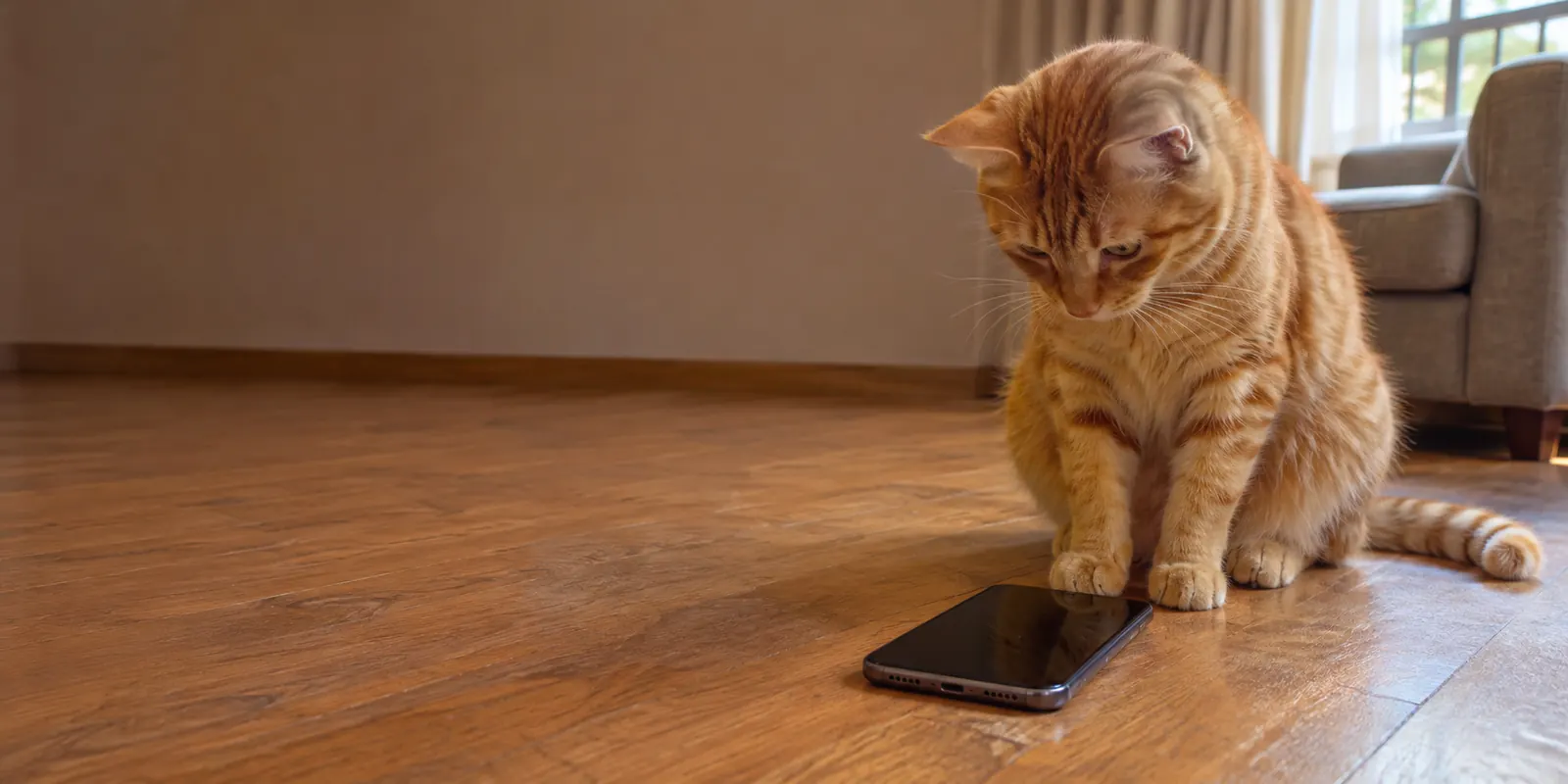
A feather game on a phone or tablet gives your cat the movement with none of the swallowing risk. It will not give her a catch, though. International Cat Care warns that play can leave a cat frustrated when the pounce and catch steps never happen.
A safer routine:
- Put a screen protector on the device and lay it flat on a steady surface.
- Run one or two short rounds while you watch.
- Switch to a real wand toy and let her catch it.
- End with a treat, then put the wand away.
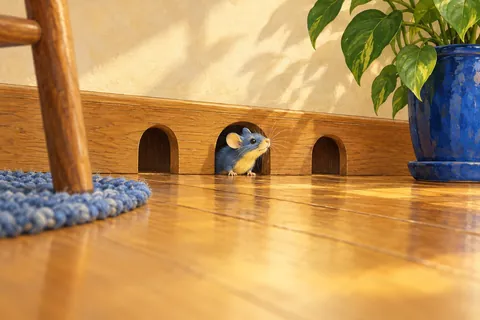
The Cat Translator app has a Feather Wand game for this. Rounds last 1 or 2 minutes at Calm, Normal or Wild speed, with no account and no ads. If you want to try before installing anything, the free browser laser game at games for cats works the same way. If your cat prefers other prey, mouse games and bird games use different movement.
Picking a good string or feather toy
Look for a sturdy wand with a firm attachment, a feather or fabric piece that is well secured, and a string length you can handle without it tangling around your hands or her legs. Natural or toy-store feathers both work, so choose whichever your cat chases. A second toy with a different texture, such as a soft fabric tail, lets you swap when she gets bored of the first one.
For kittens, International Cat Care advises avoiding pipe cleaner toys, ribbons, string and wool balls because they can cause intestinal blockage. Choose size-appropriate wand toys instead and keep a closer eye on them.
When your cat will not play
A cat who stares, swats once and walks off is not necessarily bored. Some cats are shy of fast movement, and some like to watch first. Slow the toy down, play in a quiet room and try again later. Rotating toys can also help. VCA advises offering only a few toys at a time and rotating them weekly.
If your cat’s whole routine has gone flat, my cat is bored has a bigger set of ideas. If play ends with biting at your hands, how to train a cat covers redirecting it.
String and feather play checklist
- You hold the wand, always.
- Move it like prey, away from her.
- Let her catch it at the end.
- Strings, feathers and wands go away after play.
- Check for damage before each session.
- Call your vet if string is swallowed.
Sources
- AAFP and ISFM Feline Environmental Needs Guidelines (JFMS, 2013)
- Cornell Feline Health Center — Safe toys and gifts
- VCA Animal Hospitals — Cat behavior and training: play and play toys
- International Cat Care — Playing with your cat
Cat Translator is an entertainment app. This article is general information, not veterinary advice. If your cat's behavior changes suddenly, talk to your vet.