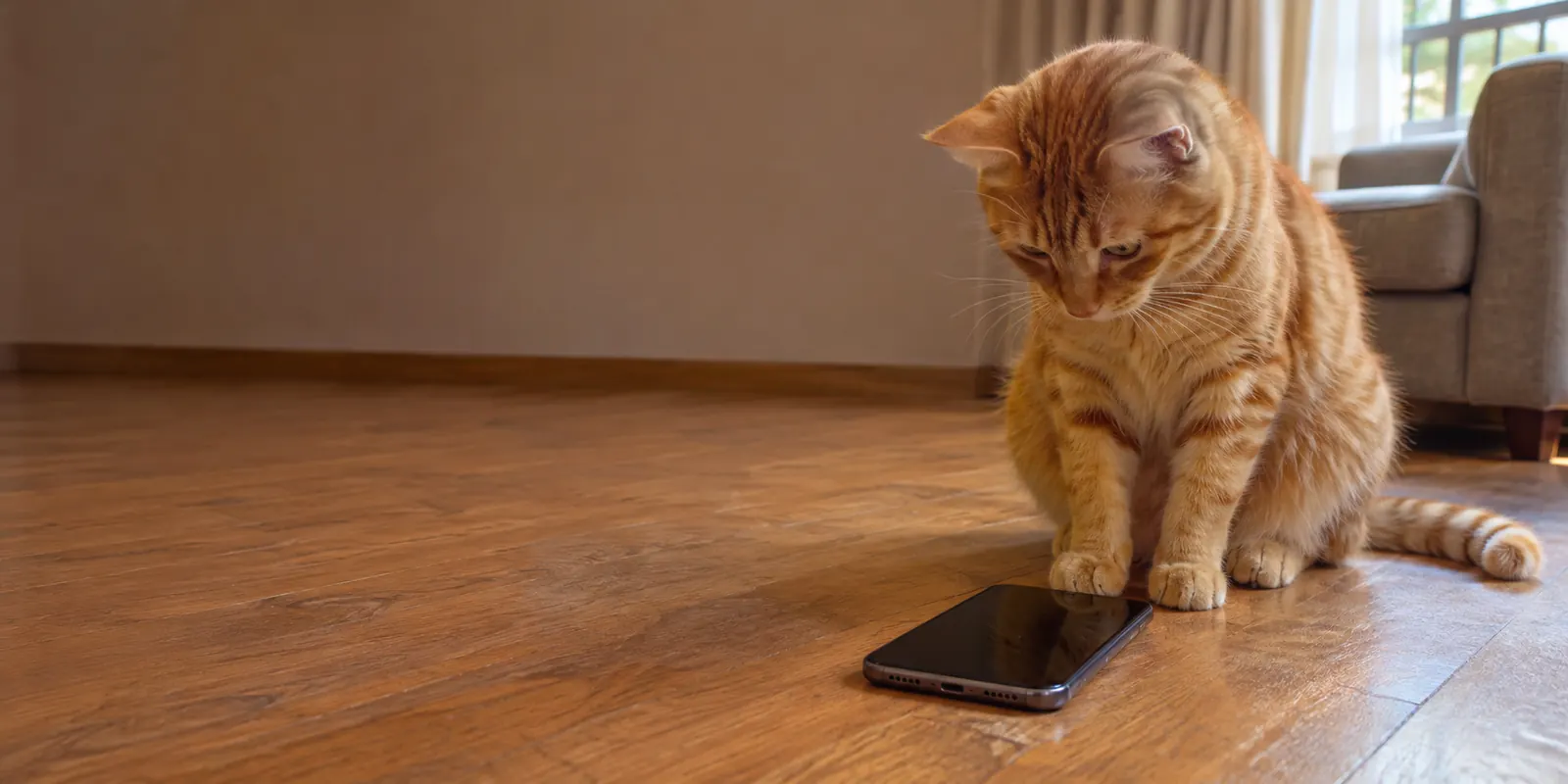
Why does my cat stare at me?
A cat's stare can mean comfort, a request for food or play, curiosity or unease. Learn how to read the gaze, and what the slow blink really says.
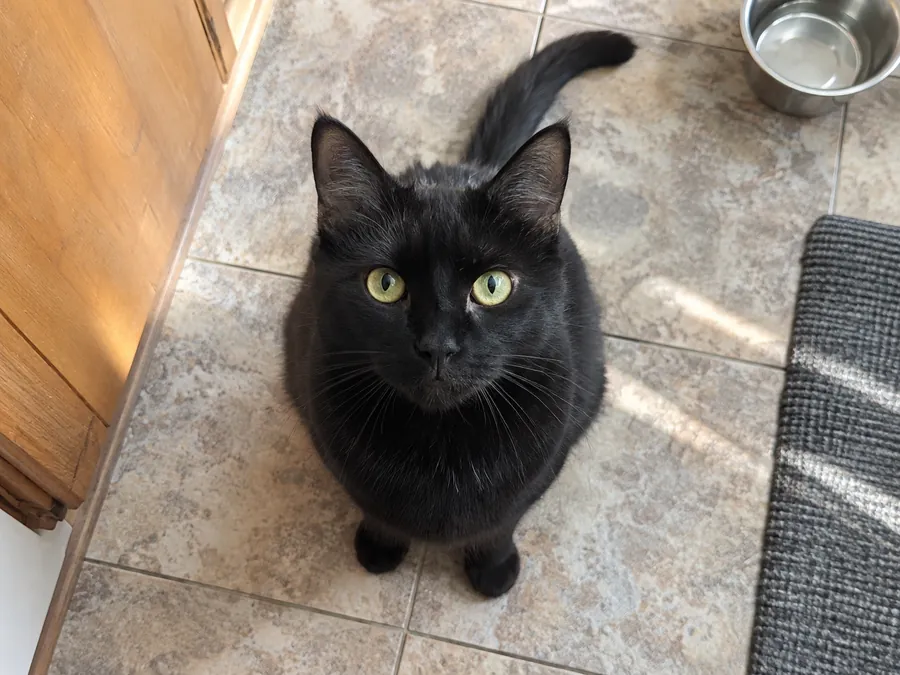
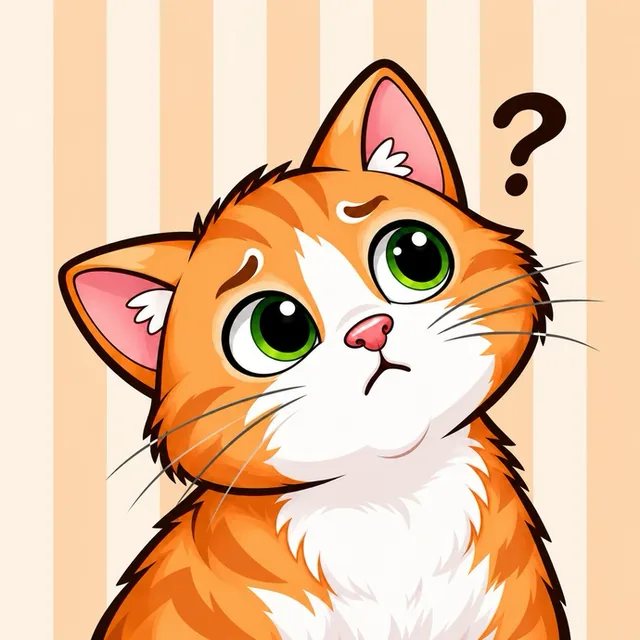
Most cats that stare at you are watching you because you are the most interesting thing in their day. A soft gaze usually means comfort or curiosity, while a staring-for-a-reason look often means “feed me,” “play with me” or “let me out.” A hard, fixed stare with a tense body is a different message and deserves space.
This guide explains how to tell the difference, what the slow blink means, and how to respond.
Five reasons your cat stares at you
1. They feel comfortable with you
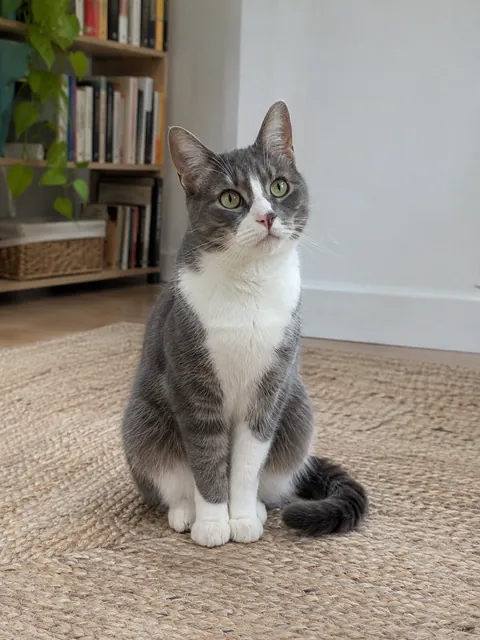
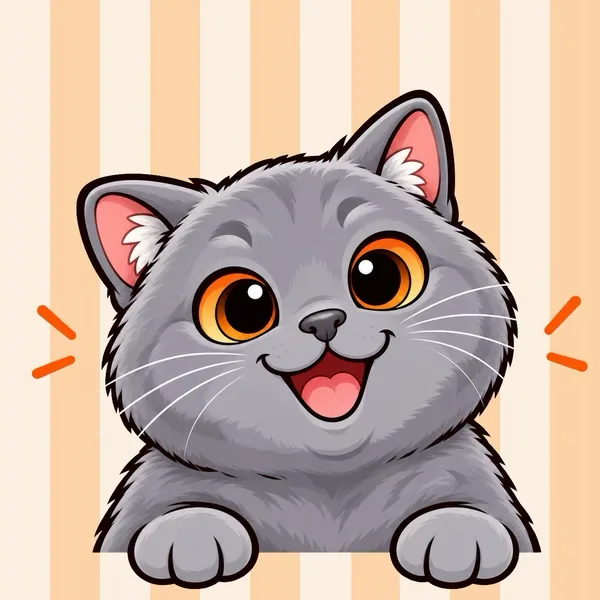
A relaxed cat has soft eyes. The RSPCA describes this as eyes that are open or half closed, not wide and staring, and lists blinking at you slowly among the signs of a happy, relaxed cat. If your cat looks at you from the sofa with loose, sleepy eyes, that is closer to a friendly look than a challenge.
2. They want something
Cats work out quickly that staring gets results. A cat sitting near the food bowl and looking at you, or sitting at the door, is asking. Timing is the clue: it happens around meals, at bedtime, or when the door to a favorite room is closed.
Cats are good at repeating what works. If you respond to staring every time, expect more staring. Try answering at set times instead, so your cat learns to wait for the routine.
3. They are curious about what you are doing
You are the main source of entertainment in the house. Cooking, folding laundry, typing and getting dressed all involve movement and noises. Many cats sit and watch, ears forward and body relaxed, like an audience.
4. They are learning your habits
Cats memorize routines. A cat that stares as you reach for a certain cupboard is predicting what comes next. Researchers studying cats and their owners found that cat and human interactions are shaped by both partners, and that the cat often decides how long an interaction lasts.
5. A stare can also be a warning
Not every stare is friendly. International Cat Care notes that staring at other cats with wide eyes and little blinking occurs during antagonistic meetings, and that cats may also stare while assessing a possible threat. The picture changes when the eyes go wide and the body changes with them. The RSPCA lists wide pupils as a sign of a worried or unhappy cat, and International Cat Care says dilated pupils with ears held flat against the head are often a sign of fear.
Look at the whole cat:
- Relaxed: soft eyes, ears neutral or forward, tail loose or upright, slow blinks
- Tense: wide eyes, little blinking, stiff body, flattened ears, a tail that twitches or is tucked
Staring at night, at meals and at nothing
Context changes the meaning, so a few common situations are worth separating out.
- At night or at dawn. Cats are most active around dusk and dawn, and a cat standing beside the bed looking at you is often hoping for breakfast or play. Ignoring it for a while and feeding on a set schedule teaches your cat that staring does not speed things up.
- While you eat. Food is interesting. Your cat is watching in case something drops or is offered. Feeding your cat its own meal around the same time can help.
- At a wall or window. Cats pick up tiny movements and sounds that people miss. A brief stare at a corner is normal. A cat that is fixated for a long time, seems confused or reacts to things you cannot see should be mentioned to your vet.
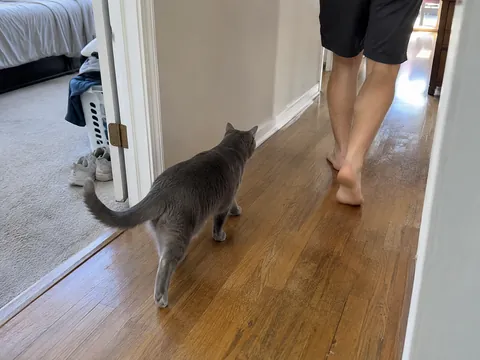
- After you walk in. A gaze at the door is often a greeting. If your cat then trots over with its tail up, the stare was just a hello.
In all of these, the cat’s body is the translator. A loose body and soft eyes mean you can relax too.
What the slow blink means
Cats aim slow blinks at people they feel comfortable around. The RSPCA suggests you slowly blink back and turn your head to show you are not a threat. International Cat Care says to avoid directly facing a cat, look beyond rather than straight at them, and blink slowly, because staring tends to create distance between individuals.
How to try it:
- Sit a few feet away, relaxed, turned slightly to the side.
- Look toward your cat, then let your eyes close slowly and open again.
- Look away, then repeat once or twice.
- Do not follow with a grab. A slow blink is not an invitation to pick your cat up, so let your cat come to you.
It does not work with every cat on every day, so treat it as an offer, not a command.
What to do when your cat stares
- Check the situation. Is the bowl empty, the box dirty, the door closed?
- Offer play. If your cat is bored, a short wand session helps. A few minutes on the free laser game for cats can also give a bored cat something to watch and chase. There is more on this in what to do when your cat is bored.
- Respond to the soft stare with a slow blink or a quiet word.
- Give the hard stare room. Avoid eye contact, do not approach, and let your cat leave. International Cat Care advises avoiding direct eye contact or getting too close because it can feel threatening to a nervous cat.
- Keep to a schedule for meals and play so your cat has fewer reasons to ask.
For a fuller guide to reading posture, see cat body language explained.
A quick way to respond in the moment
When your cat stares, run through a three-second check. First, look at the eyes: soft and half-closed is friendly, wide and fixed is not. Second, check the body: a loose body and upright or relaxed tail are good, a crouch or flattened ears are not. Third, check the clock and the room. If it is near mealtime or the box is dirty, the stare probably has a practical cause.
Then pick the response that matches. A friendly stare gets a slow blink. A request gets a calm answer on your schedule. A tense stare gets distance and a quiet exit for your cat.
When to call your vet
A stare is normal. A change is the part to watch. Call your vet if your cat:
- Stares into space as if confused or does not respond to its name
- Seems to have trouble seeing, bumps into things or has cloudy or red eyes
- Squints, keeps one eye closed, or has discharge
- Has begun staring along with changes in appetite, sleep, vocalizing or litter habits
Describe what you see, and if you can, take a short video to show your vet.
Sources
- International Cat Care — How to greet a cat
- International Cat Care — Cat communication
- RSPCA — Cat body language
- RSPCA — How to speak cat
- International Cat Care — Cat Friendly Interaction
- The Mechanics of Social Interactions Between Cats and Their Owners — PubMed Central
Cat Translator is an entertainment app. This article is general information, not veterinary advice. If your cat's behavior changes suddenly, talk to your vet.