Why does my cat twitch in her sleep?
Most sleep twitching in cats is normal REM sleep, and brief, relaxed movement is nothing to worry about. Here is how to tell it from a seizure.
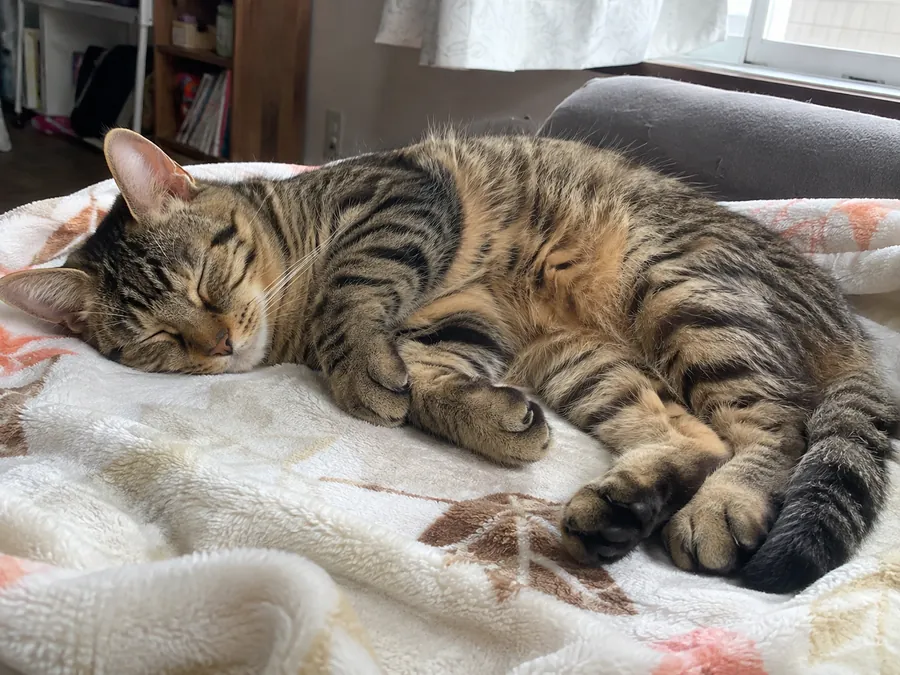
Most cats that twitch in their sleep are dreaming. During the stage of sleep called REM, a cat’s paws, whiskers or ears can jerk while the brain is active, and short, relaxed movements like these are normal. A seizure looks different: it is stiffer, more intense and does not stop when you call your cat’s name.
Below you will find what happens during sleep twitching, how to tell dream movements from a seizure, and when to call your vet.
What is happening when your cat twitches
VCA Animal Hospitals says pets experience REM sleep, the same stage of sleep when people dream, so it is likely they dream much as we do. During REM sleep, the brain is busy while the body is meant to stay mostly still. A little of that activity leaks out as a twitch of a paw, an ear, a whisker or the tail.
Cats sleep a lot, anywhere from 12 to 16 hours a day according to VCA, so there is plenty of time for twitching. You may also see:
- Paws paddling or “running” movements
- Quick eye movements under the eyelids
- Whiskers or ears flicking
- Small chirps, squeaks or muffled meows
- Slight changes in breathing
Do cats dream about hunting?
VCA says cats move their heads in their sleep as if following something and may be dreaming about hunting. It is a charming idea and a reasonable guess, given how much a cat’s day revolves around stalking and pouncing. But no one can confirm what a cat actually sees in her sleep. What we know for sure is that the movements are common and, in a healthy cat, harmless.
Dream twitch or seizure?
This is the question that worries owners. VCA gives a useful rule: dreaming movements are usually brief and relaxed, whereas seizure movements tend to be more rigid and intense.
| Sleep twitching | Seizure | |
|---|---|---|
| Length | Seconds, then your cat settles | Often one to three minutes |
| Body | Soft, loose, relaxed | Stiff, rigid or violent shaking |
| Awareness | Wakes easily when called | Loss of awareness, no response |
| Other signs | Maybe chirps or paddling | Drooling, collapse, passing urine or faeces, paddling all four legs |
| Afterward | Normal when she wakes | Disoriented, tired or dazed |
International Cat Care lists sudden collapse, loss of awareness, violent shaking or paddling of all four legs, and chewing or twitching of the face with drooling among the signs of a generalized seizure, which usually lasts one to three minutes. VCA adds that milder episodes can look like a dazed look or mild shaking, and that seizures often occur as a cat is falling asleep or waking up.
A rare sleep disorder
VCA also describes REM sleep behavior disorder, in which the dreaming motions of pets are forceful enough to propel them across the floor. VCA notes this condition can closely resemble a seizure and the reverse, so a vet should look at it. If your cat’s movements are strong and violent in sleep, this is a reason to book an appointment rather than guess.
What to do when your cat twitches
For ordinary sleep twitching, the best response is to do nothing:
- Let her sleep. Waking a deep sleeper can startle her.
- Watch quietly. Note how long it lasts, how her body looks and whether she wakes normally.
- Keep a calm space. Make sure she is on a safe surface, away from edges and hard furniture.
- Do not hold or restrain her if you think she is seizing, because you could be hurt. Move objects away and time the episode.
If you are unsure about what you saw, take a video. VCA says capturing a video of your pet’s behavior will help your veterinarian reach a diagnosis.
How to tell what you are watching
It helps to know what normal looks like for your own cat, so you can notice when something changes. Next time she is asleep, watch a few minutes without touching her. You will probably see small, short bursts of movement followed by stillness.
Pay attention to the whole body, not only the twitching part. A cat who is dreaming usually keeps a loose body and soft face. Her breathing may speed up for a moment. When the episode ends she goes back to sleep or wakes up and carries on as normal.
Compare that with a seizure, where the body is stiff or shaking, the face may be set or chewing, and she does not respond to her name. If you are unsure, do not guess: write down the time, note how long it lasted, and film it if you can do so safely from a distance. A short clip helps your vet far more than a description.
If you see the same kind of twitching only when she is awake, mention it to your vet at the next visit, even if she seems well in between.
Remember that cats of any age can twitch, and that it is common for a cat to do it only some nights. Warm weather, a full meal or a busy day can change how deeply she sleeps. Keep her routine steady, avoid waking her deliberately, and enjoy the show. Most owners find it one of the sweeter parts of living with a cat, and now you know the signs that would make you pick up the phone.
When to call your vet
Brief, relaxed twitching during sleep is normal. Contact your vet if you see any of the following:
- A seizure that lasts more than five minutes. International Cat Care says this is an emergency, so contact your veterinary team straight away.
- Several seizures close together, which also needs urgent treatment.
- Collapse, loss of awareness, drooling or passing urine during an episode.
- A long, confused or sleepy recovery afterward.
- Twitching or shaking that happens while she is awake.
- Violent movements in sleep that seem forceful, or that happen often.
Please do not try to diagnose the cause yourself. A vet can examine your cat and look at your video.
Helping a restless sleeper
Some cats sleep better when their environment is calm. Give her a warm, quiet bed away from drafts and loud noise, keep a regular routine, and play with her during the day so she is naturally tired. If she seems stressed, our guide to why cats get so clingy covers signs of stress. You can also see where cats choose to sleep in why cats sleep at your feet.
The bottom line
Short, soft twitching in a sleeping cat is a sign of a dream-like sleep stage and nothing to fear. If you want to know more about how your cat is feeling when she is awake, see our cat body language guide, and try the free laser game to give her something fun to chase.
Sources
- VCA Animal Hospitals — What Does It Mean When Dogs Twitch In Their Sleep? (covers pets including cats)
- VCA Animal Hospitals — Unusual pet sleep behaviors to watch out for
- International Cat Care — Seizures in cats
- VCA Animal Hospitals — Seizures and Epilepsy in Cats
- VCA Animal Hospitals — Why do cats sleep in weird places?
Cat Translator is an entertainment app. This article is general information, not veterinary advice. If your cat's behavior changes suddenly, talk to your vet.